






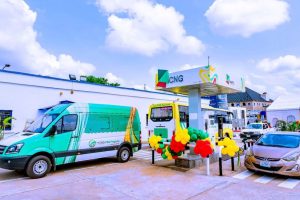
Nigeria has struggled with rising fuel costs and frequent fuel shortages, prompting discussions on alternative fuel sources. Compressed Natural Gas (CNG) is emerging as a viable solution. As a cleaner and more affordable fuel, CNG offers hope for a stable and sustainable energy future. Its adoption could help Nigeria reduce its reliance on conventional fuels and enhance economic resilience. Despite Nigeria’s vast oil and gas resources, the nation faces regular fuel price hikes and supply disruptions. These challenges strain household budgets and the broader economy. CNG, derived from Nigeria’s abundant natural gas fields, presents an attractive alternative. Transitioning to CNG could address environmental concerns and fuel instability, creating a cleaner and more energy-secure future. Globally, CNG has gained popularity as a greener alternative to petrol and diesel. Nigeria’s interest in CNG aligns with this global shift, as countries seek eco-friendly fuel solutions. With appropriate investment, CNG could offer Nigeria a more affordable and reliable energy source.
What is CNG?
Compressed Natural Gas (CNG) is natural gas compressed under high pressure for easy storage and use as vehicle fuel. Primarily composed of methane, CNG burns cleaner than traditional fuels, releasing fewer harmful emissions. Unlike gasoline or diesel, which are refined oil by-products, CNG is extracted directly from natural gas fields and requires minimal processing. This cleaner combustion process can extend engine life and reduce maintenance costs over time.
Why you should consider using CNG
CNG offers more than just cost savings. It addresses environmental concerns and promotes economic resilience, benefiting both individuals and the nation.
- Environmental Benefits
CNG emits significantly fewer greenhouse gases and pollutants than gasoline or diesel. For example, CNG vehicles produce up to 90% less carbon monoxide, improving air quality. Reducing emissions aligns with global climate goals, and Nigeria’s CNG adoption could set an environmental example for Africa.
- Cost Savings
Natural gas prices are generally more stable than crude oil prices, shielding consumers from price volatility. With CNG often costing 30-50% less than conventional fuels, logistics companies, public transport, and private vehicle owners could enjoy substantial savings.
- Improved Fuel Efficiency
Vehicles , generators running on CNG often achieve better fuel economy. CNG combusts more efficiently, producing more energy per unit than gasoline. Although conversion costs may seem high, the long-term savings in fuel and maintenance can offset these expenses, especially for high-mileage drivers.
- Enhanced Energy Security
Nigeria relies heavily on imported refined petroleum, exposing the economy to global disruptions. By utilizing domestic natural gas reserves, Nigeria can reduce this dependency, retaining foreign reserves and stabilizing the economy.
Challenges and Considerations with using CNG
While CNG holds significant potential, certain challenges must be addressed for widespread adoption.
- Infrastructure Limitations
CNG fueling stations are limited in Nigeria, particularly outside urban areas. Expanding the network of fueling stations is crucial for a successful CNG transition.
- Conversion Costs
Converting vehicles from gasoline or diesel to CNG requires significant upfront investment. Conversion kits and installation fees may discourage adoption. Government incentives, rebates, or financing options could alleviate this financial burden.
- Power Output
CNG-powered vehicles may experience slightly lower power and torque than gasoline-powered vehicles. However, advancements in CNG technology are reducing these performance differences, making it a feasible option for most drivers.
Government Initiatives for CNG Adoption in Nigeria
CNG has been part of Nigeria’s energy strategy for years. In 2010, the Nigeria Independent Marketing Company (NIPCO) launched the nation’s first CNG facility for vehicles in Benin City. With the removal of petrol subsidies in 2023 by President Tinubu, CNG is receiving renewed attention as a viable alternative in the transportation sector.
Key Government Initiatives:
1. Tax Incentives:
In December 2023, the Federal Government issued a circular titled “Fiscal Incentives for the Presidential Gas for Growth Initiative.” It grants import duty and VAT waivers for CNG vehicles, kits, and CNG-related equipment, encouraging CNG adoption across Nigeria.

2. Presidential Compressed Natural Gas Initiative (Pi-CNG)
Established in 2023 by President Tinubu, Pi-CNG aims to support citizens affected by subsidy removal. The initiative’s main objective is to help achieve one million CNG vehicles by 2027, promoting affordable and cleaner energy.
3. Partnerships and Collaborations
The government has partnered with stakeholders in the transportation and energy sectors, including Dana Motors, Innoson Motors, and the Nigerian National Petroleum Company Limited (NNPCL). These partnerships aim to boost CNG adoption by donating CNG buses, offering free or subsidized conversions, and launching applications to streamline the conversion process.
More from Nigeria Government
In July 2024, NNPC announced plans to establish three Liquefied Natural Gas (LNG) stations and 100 CNG fueling sites across Nigeria. During the simultaneous opening of 12 CNG stations in Abuja and Lagos, NNPC’s Group Chief Executive Officer, Mallam Mele Kyari, emphasized that the drive for nationwide CNG availability is irreversible. He praised President Tinubu’s support for expanding domestic gas use to deliver cleaner, affordable energy. The Managing Director of NNPC Retail Limited, Huub Stokman, confirmed that over 100 CNG sites would be launched within a year, including 16 NNPC Gas Marketing and NIPCO Gas joint venture sites.
Also, In October 2024, the Nigerian government introduced a payment plan to facilitate converting petrol-powered vehicles to CNG. The National Orientation Agency (NOA) announced flexible payment options, enabling vehicle owners to convert to CNG with affordable monthly installments. Additionally, the government plans to distribute 2,000 CNG tricycles to young people in Nigeria’s transportation sector starting October 1, 2024.
The Future of CNG in Nigeria
The transition to CNG in Nigeria aligns with a broader goal of sustainability and energy independence. Rising fuel costs and environmental concerns highlight the importance of alternative energy. Achieving widespread adoption, however, will require coordinated public and private sector efforts. Investments in infrastructure, technology, and education will be essential to make CNG an accessible and sustainable option for Nigerians. For individuals considering the switch, it’s crucial to research CNG fueling availability, consult experts, and evaluate the long-term savings on fuel costs. By making informed choices, Nigerians can contribute to a cleaner, more resilient energy future. Embracing CNG could transform Nigeria’s transportation sector, creating economic opportunities and reducing environmental impact. As Nigeria looks to the future, CNG offers a compelling vision of energy independence, sustainability, and affordability.
References: